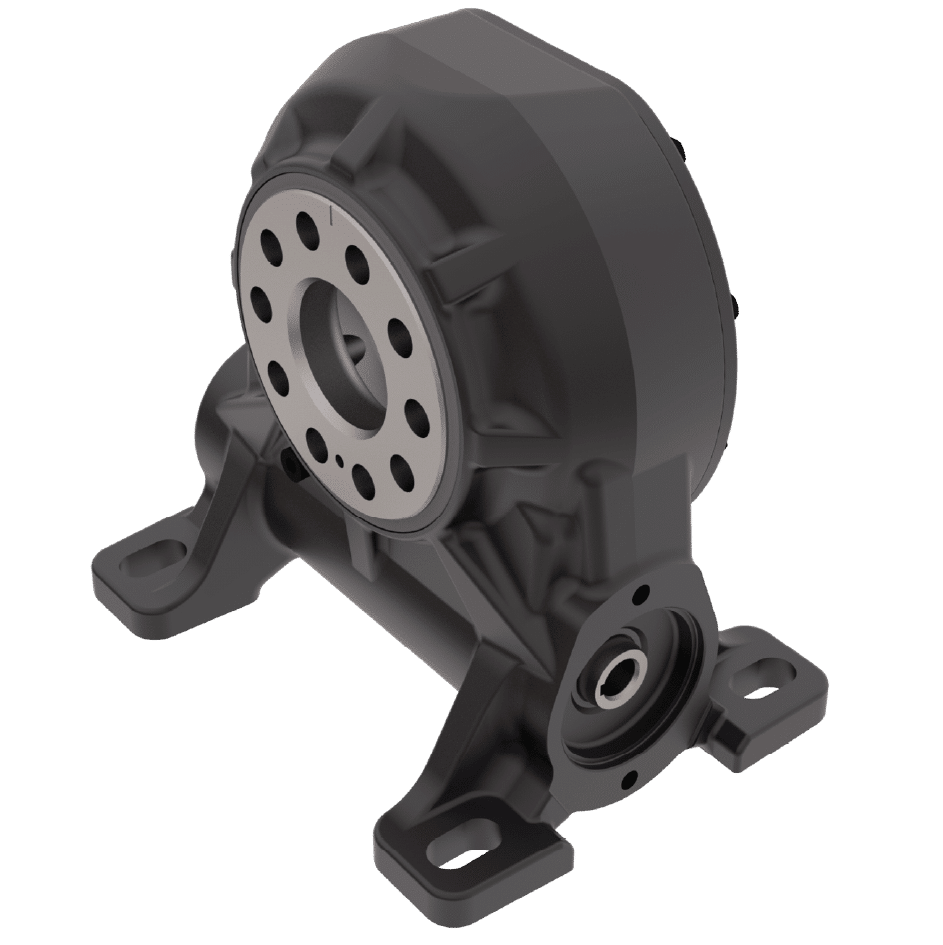
Increase Torque Density
Deliver More Torque without Increasing Motion System Size
Robotics, automation, medical equipment, and other advanced machines often require substantial, high torque levels within a tightly constrained space. Torque density describes how much torque a drive can deliver relative to its size or weight.
Timken Precision Drives offers compact, high torque gearing technologies and application expertise to help designers increase torque capacity while managing weight, space, precision, and structural loads.
Why it Matters
More torque should not require a larger machine.
Increasing torque by simply selecting a larger motor or gearbox can add weight, increase inertia, consume valuable space, and place greater demands on the supporting structure. These tradeoffs can limit payload, responsiveness, efficiency, and overall machine design.
A torque-dense drive solution can deliver the required output within a smaller, lighter motion system, giving designers more flexibility to improve payload, machine footprint, and overall performance.

What influences torque density?
Select the Right Gear Technology
Strain wave, cycloidal, planetary, and worm gearing distribute loads differently and offer distinct combinations of torque capacity, precision, efficiency, and packaging flexibility. Selecting the right technology is the foundation of a torque-dense design.
Use Higher Reduction in Less Space
A high reduction ratio multiplies motor torque and, when properly matched to speed and duty-cycle requirements, may allow the use of a smaller motor. High-ratio, single-stage technologies can also reduce the number of components and connections in the drivetrain.
Manage Structural Loads
Torque capacity is only part of the requirement. Bearings, housings, shafts, and mounting interfaces must also support radial, axial, and overturning loads without excessive deflection.
Account for Peak and Continuous Torque
Acceleration, emergency stops, impact loads, and duty cycle can create torque demands well above normal operating conditions. Proper sizing should consider continuous torque, acceleration torque, peak torque, emergency-stop loads, and the duration and frequency of each operating condition.
Manage Heat and Efficiency
A compact drive must dissipate the heat generated by friction and continuous operation. Efficiency, speed, lubrication, mounting, and duty cycle can limit the amount of torque that can be delivered continuously within a small package.
Recommended Technologies for Increasing Torque Density
Timken Precision Drives brings together complementary precision motion technologies to deliver higher torque in compact, high-performance designs.
Explore Timken Precision Drives Technologies
A powerful range of high precision gearing and motion technologies, all in one place. Timken Precision Drives brings together more than a century of engineering expertise with the quality, innovation and strength of Timken to solve demanding motion challenges.
Strain Wave Gearing
Zero Backlash
High Compact Accuracy
Explore Strain Wave Gearing
Cycloidal Gearing
High Torsional Stiffness
High Torque Density
Explore Cycloidal Gearing
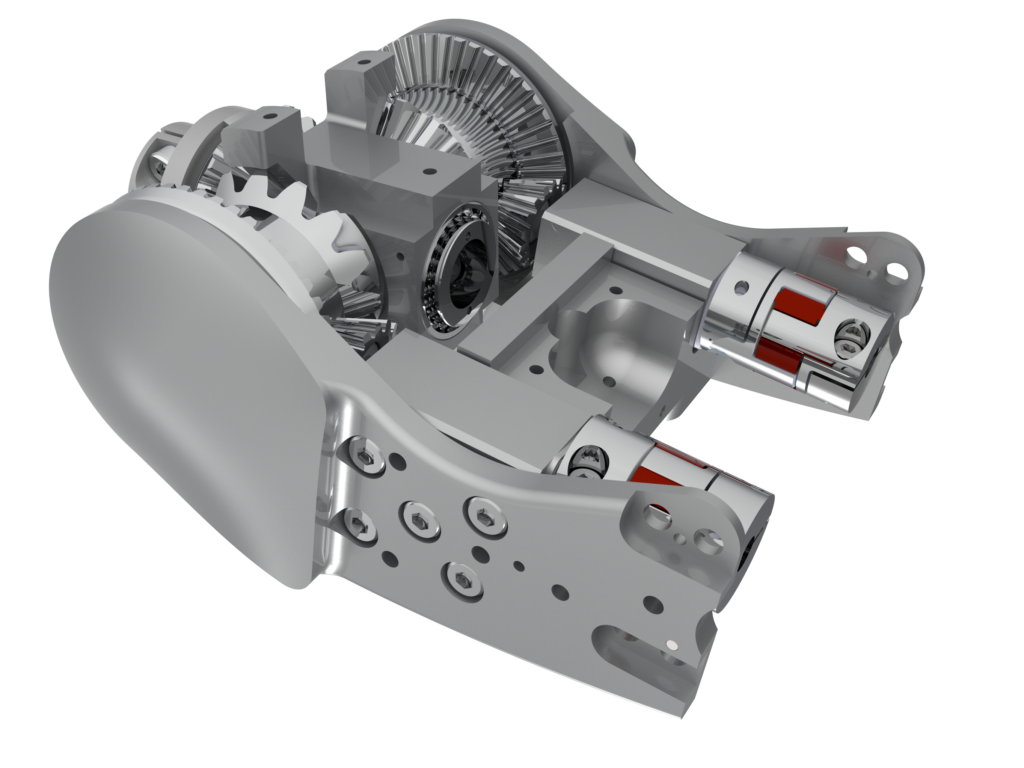
Micro Gearing
High Reduction
Compact Design
Explore Micro Gearing
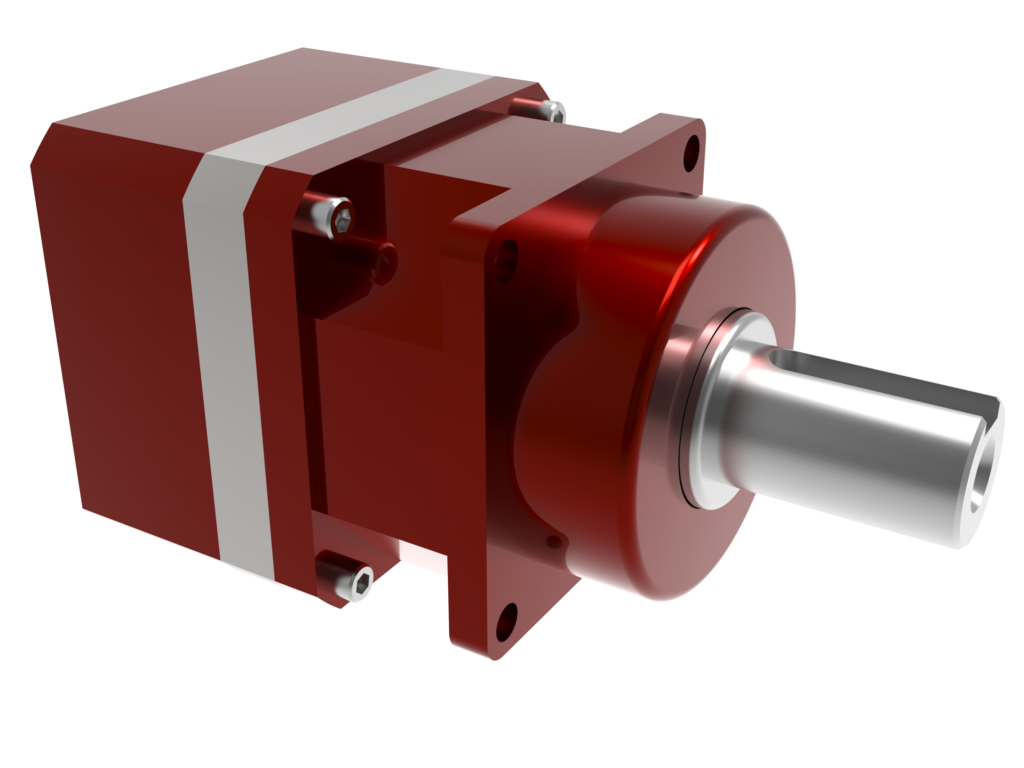
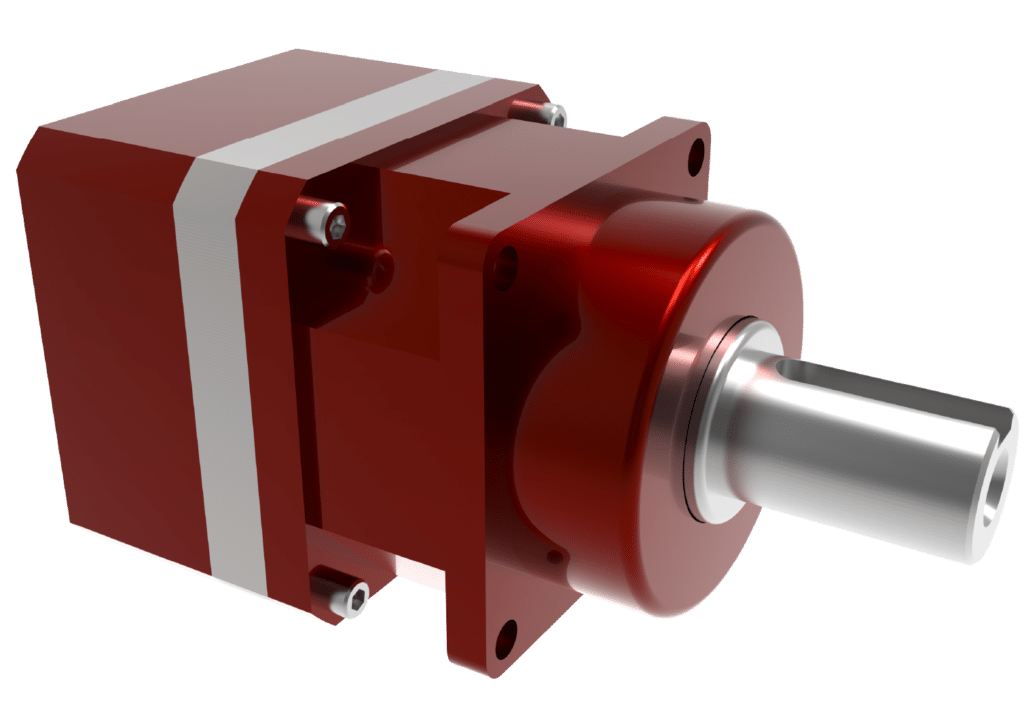
Planetary Gearing
Efficient
Powerful
Explore Planetary Gearing
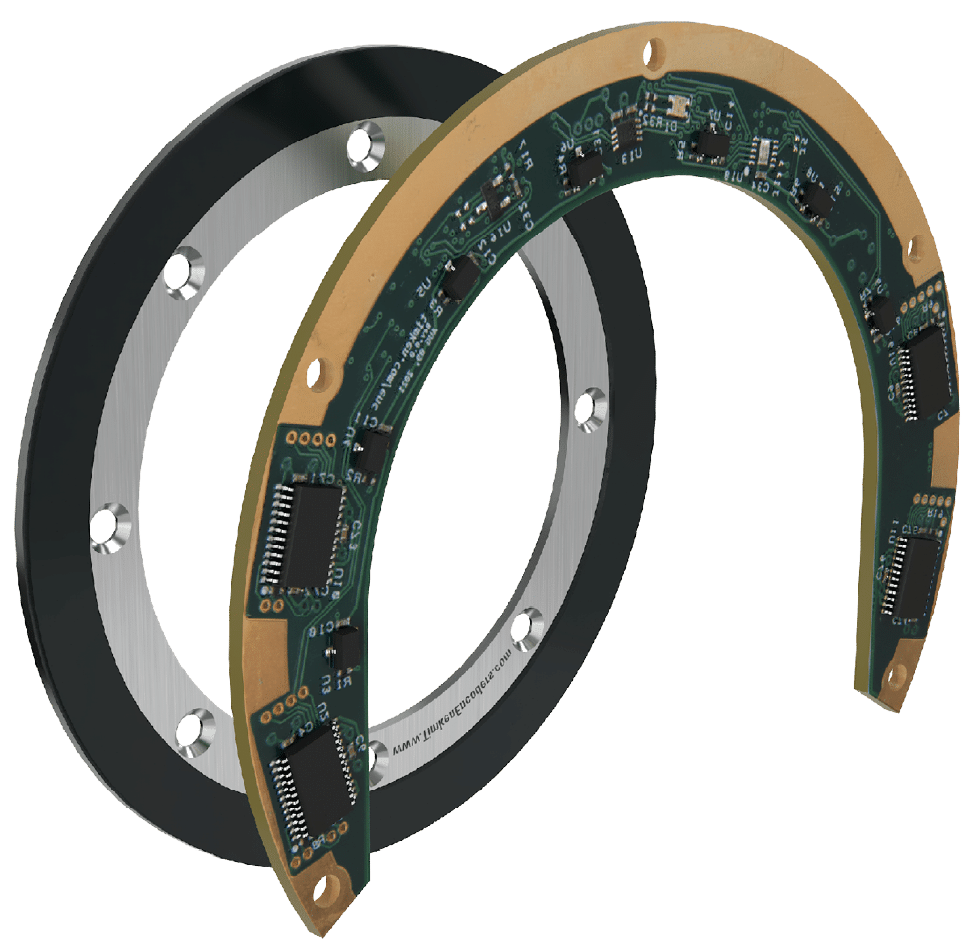
Encoders
Accurate Feedback
Seamless Control
Explore Encoder Technology
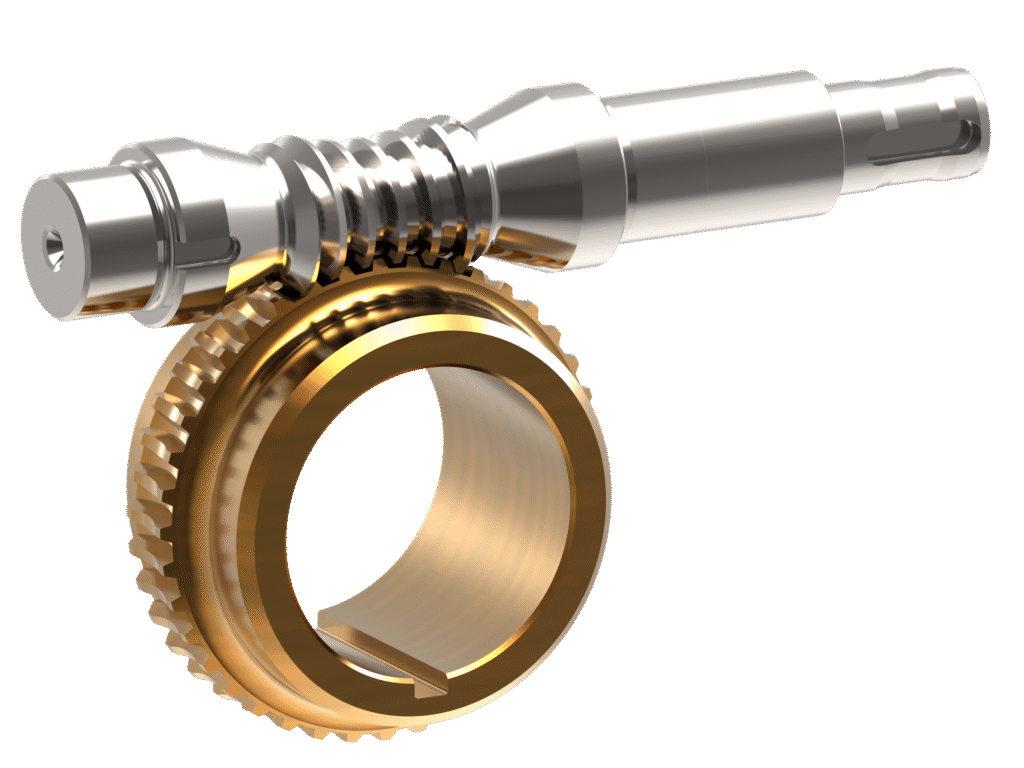
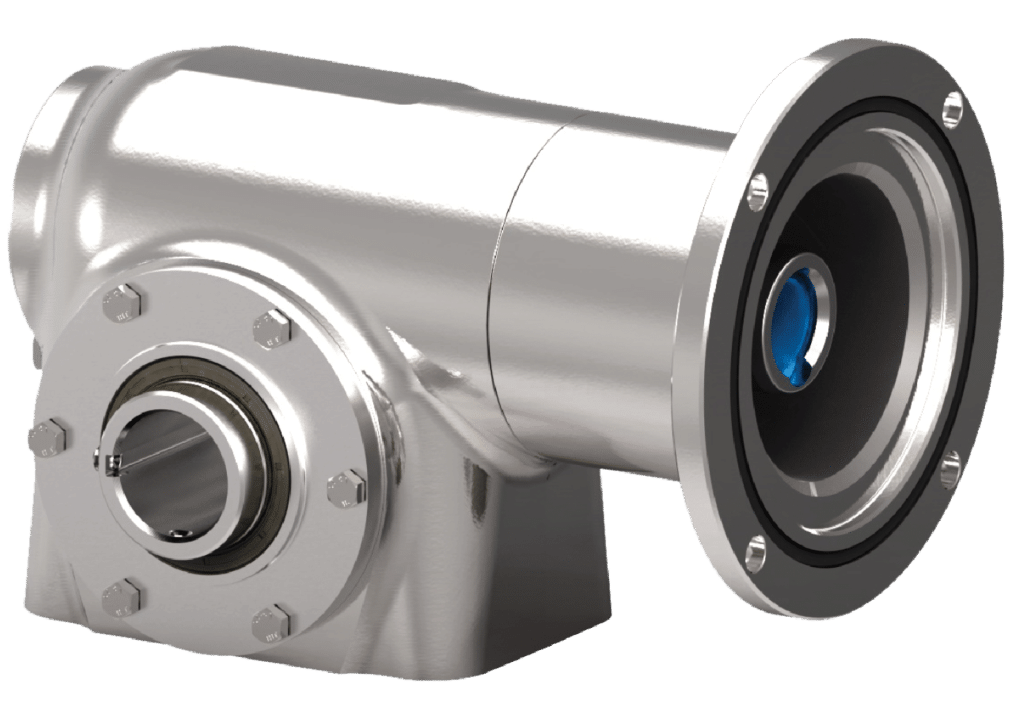
Worm Gearing
Maximum Tooth Contact
Maximum Torque
Explore Worm Gearing
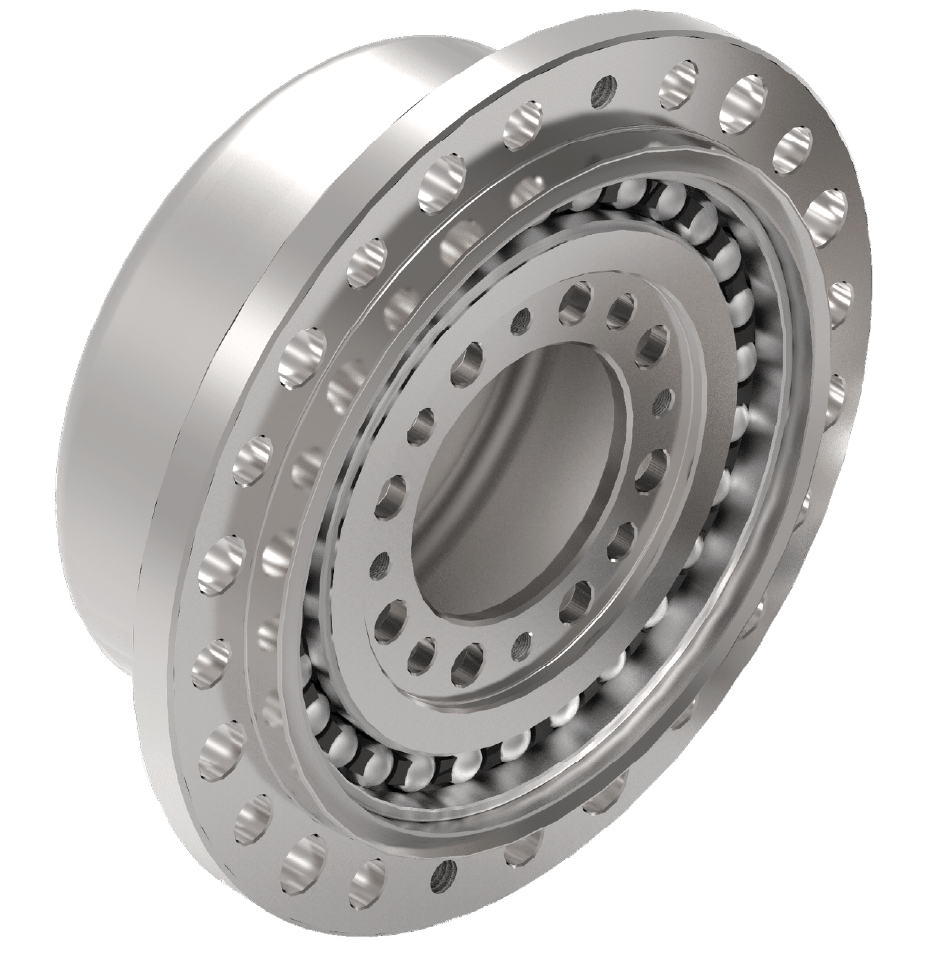
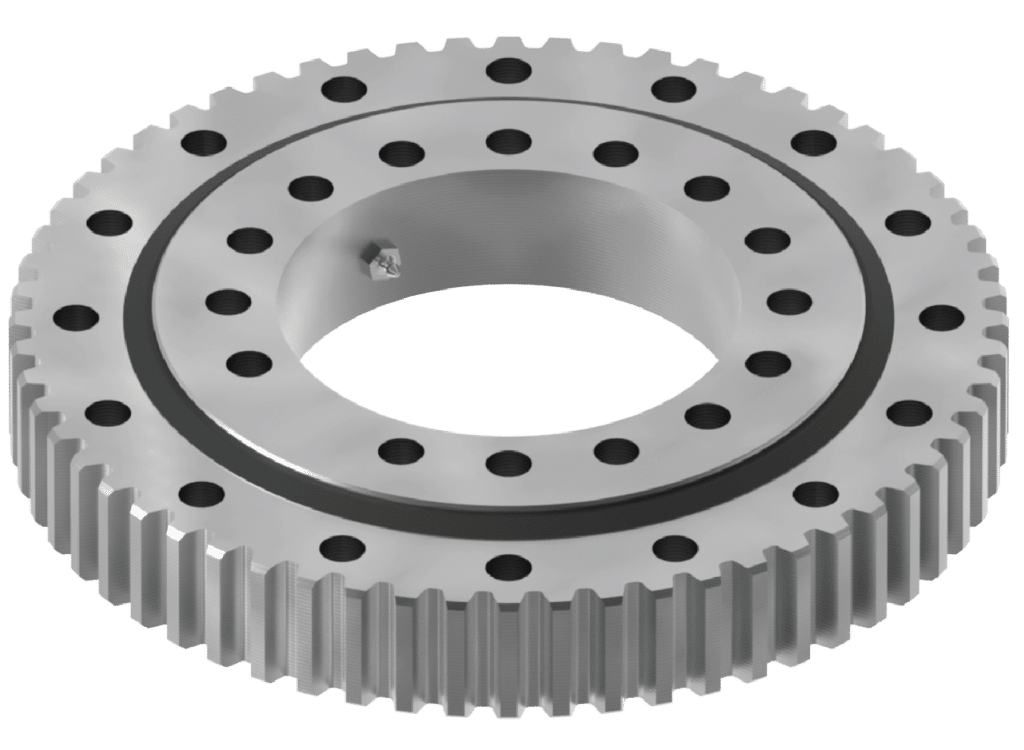
Slewing Bearings & Drives
High Torque
High Moment Capacity
Explore Slew Gearing
Solar & Tracking Drives
Durable Design
Consistent Tracking Accuracy
Explore Tracking Drives